seo content marketing
SEO Content Marketing: The System That Turns Articles Into Revenue
SEO content marketing is the practice of creating articles, guides. and resources specifically designed to rank in search engines and convert readers into…

SEO content marketing is the practice of creating articles, guides. and resources specifically designed to rank in search engines and convert readers into customers. It combines keyword research, content production. and distribution into a single workflow. Most teams treat SEO and content as separate disciplines. That separation costs them traffic and pipeline.
The difference between content marketing and SEO content marketing is intent. Regular content marketing creates valuable material for an existing audience. SEO content marketing creates valuable material for people actively searching for solutions. One builds brand affinity. The other captures demand at the moment someone types a query into Google.
| Approach | Primary Goal | Traffic Source | Time to Results |
|---|---|---|---|
| Content Marketing | Audience engagement | Social, email, direct | Weeks |
| SEO Content Marketing | Search capture | Organic search | Months |
| Paid Content | Lead generation | Ads | Days |
Teams that understand this distinction build content calendars around search intent rather than internal brainstorms. They write what prospects are looking for, not what feels interesting to the marketing team.
Why SEO Content Marketing Matters
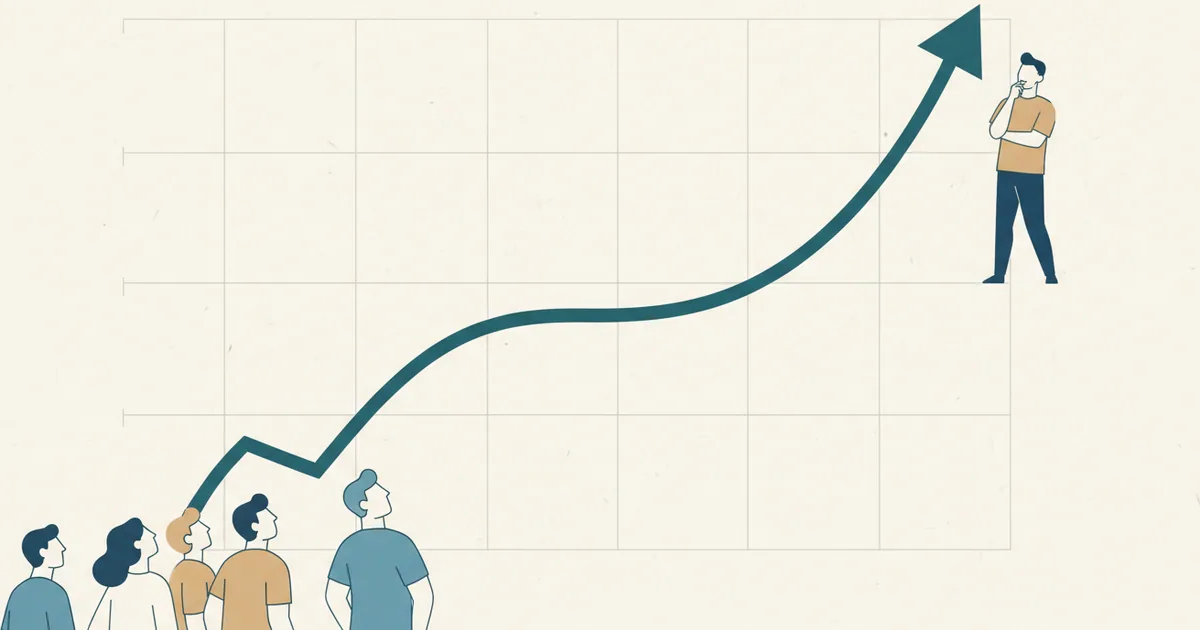
Organic search drives 53% of all website traffic according to BrightEdge research. That number has stayed consistent for years. Paid channels get more expensive. Social reach declines. Email lists shrink. Search remains the one channel where intent is explicit and cost per acquisition can decrease over time.
The compounding effect is what makes SEO content marketing different from other channels. A paid ad stops generating leads the moment you stop paying. A social post disappears from feeds within hours. An article that ranks can generate traffic for years. I have seen single blog posts drive more pipeline than entire paid campaigns that cost six figures.
Evidence: According to Ahrefs' content study, 96.55% of all pages get zero traffic from Google. The pages that do rank capture disproportionate value.
The math matters here. If you publish 100 articles and 4 of them rank on page one, those 4 articles might generate 80% of your organic traffic. SEO content marketing is not about volume. It is about placing the right bets on topics where you can actually win.
Teams building SEO tools into their workflow see this pattern clearly. The gap between top performers and average content is enormous. One article ranking position three for a 10,000 monthly search volume keyword generates more value than 50 articles that never crack page two.
This is why keyword research is not optional. Publishing without understanding search demand is like opening a store without checking if anyone walks down that street.
How SEO Content Marketing Works in Practice

The workflow has four phases that repeat monthly. Research, production. optimization. and distribution. Most teams skip at least one of these phases and wonder why results lag.
Research starts with keyword opportunity analysis. You need search volume, difficulty scores. and intent classification for every topic you consider. A keyword with 5,000 monthly searches and low difficulty beats a keyword with 50.000 searches where enterprise competitors dominate the first page. Small SEO tools can help with initial research, but serious teams need a system that connects research directly to their content calendar.
Production means writing content that matches search intent. Informational queries need thorough explanations. Commercial queries need comparisons and recommendations. Transactional queries need product pages. Writing a 3,000 word guide for someone searching "best email marketing software" wastes everyone's time. They want a comparison table and clear recommendations.
Optimization happens before and after publishing. Before: meta titles, descriptions. header structure. internal linking. After: updating content based on performance data, adding new sections when competitors publish better material. consolidating thin pages that cannibalize each other.
Distribution extends reach beyond search. Repurposing articles into social posts, email content. and community discussions multiplies the value of each piece. Teams using social media management software alongside their SEO workflow can turn one article into a week of content across channels.
The teams that execute this workflow consistently outperform teams with bigger budgets and larger content teams. Process beats resources.
Tradeoffs to Understand First
SEO content marketing requires patience that most organizations lack. The median time to rank on page one is 3 to 6 months for new domains. Established sites with strong backlink profiles can see results faster. New sites publishing their first content might wait a year.
This timeline creates real business tension. Marketing teams face quarterly pressure. SEO content marketing delivers results on a different schedule. The solution is running SEO content alongside faster channels, not instead of them. Paid acquisition buys time while organic compounds.
Quality versus quantity is the second tradeoff. Publishing 20 mediocre articles per month will not beat publishing 4 excellent articles. Google's helpful content update explicitly penalizes sites that publish content primarily for search engines rather than users. The algorithm rewards depth over volume.
Evidence: Google's helpful content documentation states that content should demonstrate first-hand expertise and provide substantial value beyond what other sources offer.
Resource allocation is the third consideration. SEO content marketing requires writers who understand both subject matter and search optimization. That combination is rare. Most teams choose between subject matter experts who cannot structure content for search and SEO specialists who cannot write with genuine expertise. The best teams pair these skills or invest in training.
Internal linking deserves more attention than most teams give it. Every article you publish should strengthen your existing content through contextual links. Understanding how SEO works at a fundamental level helps teams build interconnected content that Google can crawl and understand.
Where SEO Content Marketing Usually Goes Wrong
The most common failure is keyword obsession without intent understanding. Teams target high volume keywords without analyzing what searchers actually want. A keyword like "content marketing" has massive search volume. The intent is too broad to serve well. Someone searching that phrase might want a definition, examples. tools. jobs. or courses. You cannot satisfy all those intents in one article.
The second failure is treating content as a one-time activity. Publishing an article and moving on leaves value on the table. Top performing content teams revisit their best articles quarterly. They update statistics, add new sections. refresh examples. and strengthen internal links. A published article is not done. It is a living asset.
Ignoring technical SEO kills otherwise excellent content. Slow page speed, poor mobile experience. broken links. and crawl errors prevent good content from ranking. Teams focused purely on writing often miss these issues entirely. Running regular audits through Bing Webmaster Tools and Google Search Console catches problems before they compound.
The fourth failure is disconnecting content from the rest of marketing. SEO content marketing works best when integrated with sales conversations, customer success insights. and product development. The best topic ideas come from actual customer questions, not keyword tools. Teams that talk to customers write better content than teams that only analyze search data.
Measurement gaps cause the fifth failure. Tracking pageviews without connecting them to pipeline misses the point. An article generating 10,000 visits and zero conversions is less valuable than an article generating 500 visits and 20 qualified leads. The metrics that matter are influenced by intent, not volume.
Frequently Asked Questions
How long does SEO content marketing take to show results?
Expect 3 to 6 months for initial rankings on competitive keywords. Lower difficulty keywords can rank faster. New domains take longer than established sites with existing authority. The timeline depends on your starting domain rating, content quality. and competitive market.
What is the difference between SEO and content marketing?
SEO focuses on technical optimization and keyword targeting to improve search visibility. Content marketing focuses on creating valuable material for audiences regardless of channel. SEO content marketing combines both: creating valuable content specifically designed to rank in search and convert searchers into customers.
How many articles should I publish per month for SEO?
Quality matters more than quantity. Four well-researched, expertly written articles will outperform twenty rushed pieces. Start with whatever pace you can sustain at high quality. Increase volume only when you can maintain standards. Publishing schedules vary by team size and resources.
Should I update old content or write new articles?
Both. Updating high-performing content protects existing rankings and often produces faster results than new articles. New content expands your keyword coverage. The right ratio depends on your existing content library. Teams with hundreds of articles should prioritize updates. Teams with small libraries need new content first.
How do I measure SEO content marketing ROI?
Connect organic traffic to conversions through proper attribution. Track which articles generate leads, trials. demos. or sales. Compare content production costs against pipeline value generated. The best teams measure content performance at the article level, not just aggregate organic traffic. Use tools that connect social media management tools and content analytics to see the full picture.
Continue learning
More practical guides from the Rankboard team.

Social Media Management: What Actually Works and What Wastes…
Social media management is the daily work of planning, creating. scheduling. publishing. and measuring content across platforms like LinkedIn. X.…

SEO Tools Compared: What Actually Moves Rankings in 2025
The best SEO tool is the one your team will actually use every week. That sounds obvious until you realize most teams pay for three or four overlapping…

SEO Explained: What It Actually Does and Why Most Teams Get…
SEO stands for search engine optimization. It means making your website easier for Google, Bing. and other search engines to understand and rank. The goal…
Build your content workflow